The evidence base
What a decade of delivery looks like
The mandate rests on a documented national record. Chapter 1.3 of the Roadmap sets out what Tanzania built, what changed, and which lessons transfer.
Tanzania’s record- 104
- maternal deaths per 100,000 live births, reported — down from 556 between the 2015/16 and 2022 surveysTanzania Demographic and Health Survey and Malaria Indicator Survey, 2022
Tanzania’s model
Political leadership, matched by investment
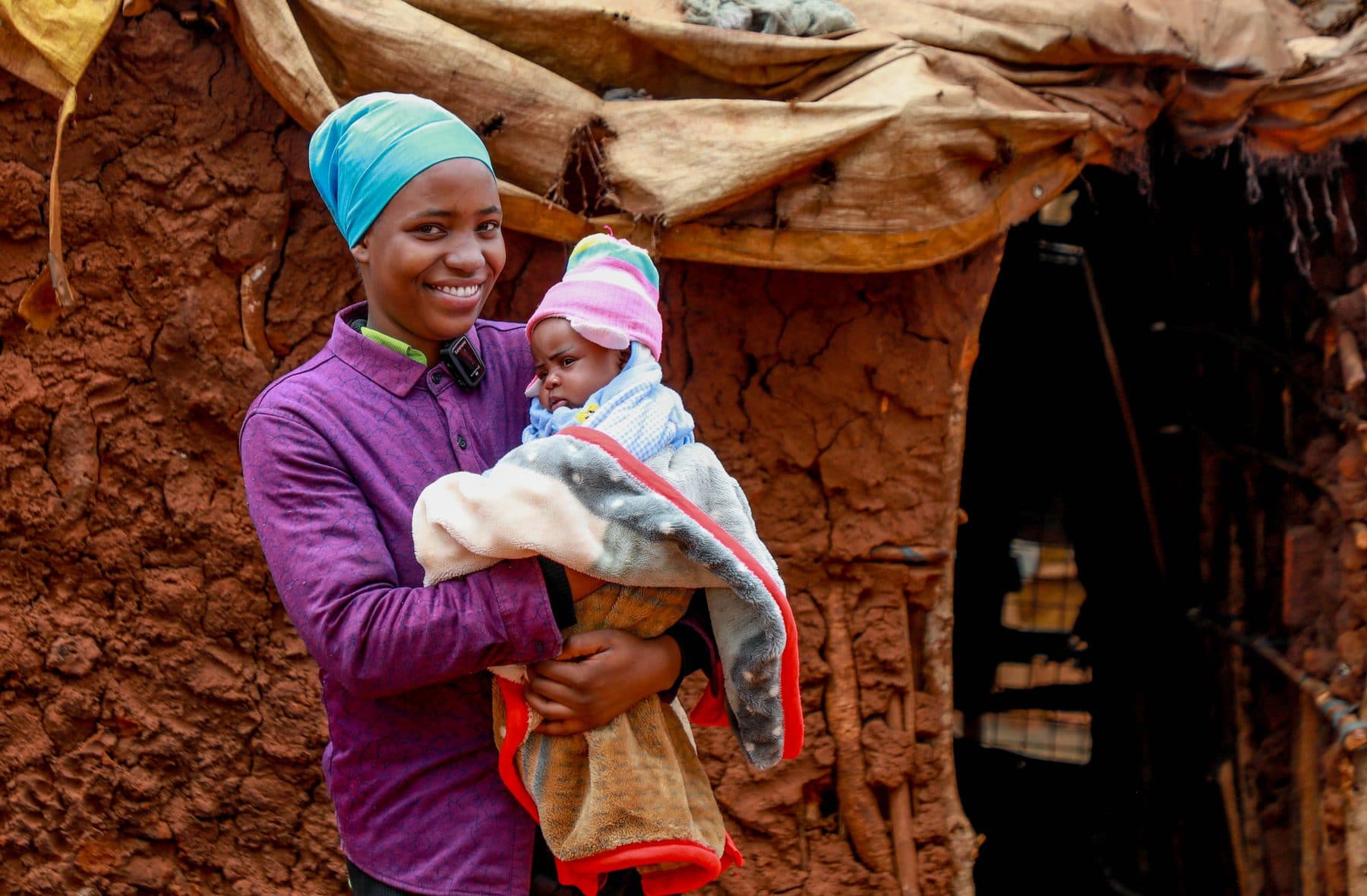
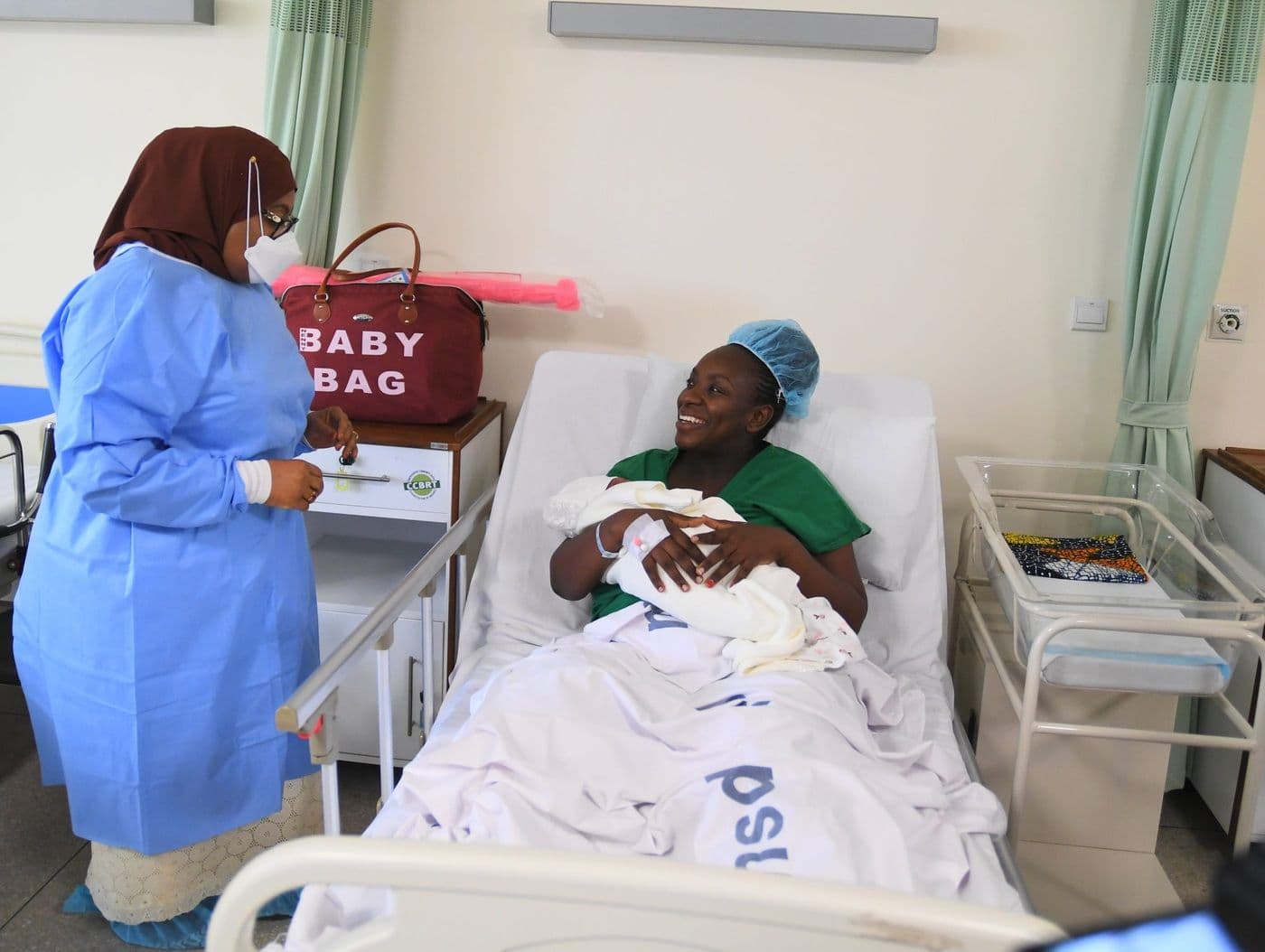
The Roadmap builds on Tanzania’s sustained journey of political leadership, accountability, health system reform and investment in maternal, newborn and child health. Over more than a decade, Tanzania strengthened primary health care, infrastructure, referral systems, workforce, community systems, commodities, digital platforms and financing.
What changed
Reported outcomes
Maternal mortality ratio
556104
per 100,000 live births
2015/16 to 2022 TDHSNeonatal mortality
2624
per 1,000 live births
2010 to 2022Facility deliveries
51%81%
of births
2010 to 2022Skilled birth attendance
49%85%
of births
2010 to 2022
What was built
Infrastructure, workforce and community systems
- Health facilities
- Network expanded from approximately 10,000 to 13,700 facilities by March 2026, including 119 district hospitals, 649 health centres and more than 2,700 dispensaries constructed.
- Comprehensive emergency obstetric and newborn care
- Health centres providing CEmONC increased from 115 in 2015 to approximately 630 in 2026.
- Comprehensive neonatal care units
- Increased from 14 in 2018 to 438 in 2026, with a further 61 in advanced plans for construction.
- Health workforce
- Increased by approximately 70 per cent since 2022. The Samia Scholarship Programme supported nearly 3,000 health professionals in mid-cadre, specialist and super-specialist training.
- Community health workers
- The Integrated Community Health Workers Programme has trained more than 13,000 community health workers since 2024, towards a national ambition of more than 137,000 by 2030.
System reforms
The mechanisms behind the change
- Jiongeze Tuwavushe Salama
- Launched in 2018 by H.E. Dr. Samia Suluhu Hassan, then Vice President — the Go the Extra Mile campaign for accountability to save the lives of mothers and newborns, linking regional and district leadership to measurable health outcomes.
- National RMNCH Scorecard
- Introduced in 2014, strengthening performance tracking and accountability.
- m-Mama
- Strengthened emergency transport and referral.
- One Plan III
- The national RMNCAH service delivery and readiness framework.
- MPDSR and digital systems
- Maternal and Perinatal Death Surveillance and Response alongside digital performance monitoring, strengthening data use and accountability.
- Financing reforms
- The Health Basket Fund, Direct Health Facility Financing, results-based financing, the National Health Insurance Fund and the Universal Health Insurance Act of 2023 connected national priorities, financing and frontline delivery.
Lessons
What transfers
- 01
Political leadership has greater impact when linked to measurable accountability.
- 02
Strong primary health care and community systems connect households to prevention, early identification, referral and follow-up, particularly for underserved populations.
- 03
Increased access must be matched by quality, emergency readiness and functional referral.
- 04
Infrastructure must be matched by competent health workers, essential medicines, blood, oxygen, functioning equipment and reliable supply chains.
- 05
Data must lead to action — evidence that identifies gaps, assigns responsibility, guides correction and tracks performance.
An important qualification
The Roadmap does not seek to replicate Tanzania’s model. Member States retain ownership and determine the interventions required by their epidemiologic patterns, health system capacity, financing environment and national priorities. Through the Tanzania Continental Hub for South–South Exchange, Tanzania will contribute its experience while learning from other AU Member States.
The delivery gap
Not an absence of strategies
Africa’s central RMNCAH challenge is the weak translation of national priorities into funded, implementation-ready action. Investment cases support priority-setting, yet do not consistently translate into annual budgets, costed subnational workplans, reliable product availability or functioning referral systems.
Africa CDC desk review, July 2026. By 2030, supported Member States should have implementation-ready arrangements linking national priorities to costed annual and subnational actions, available financing, clearly assigned responsibilities and routine performance review.
RMNCAH investment case status across all 55 Member States
- Investment case — current/active
- 28
- Requires updating or renewal
- 12
- Broader/de facto national arrangement
- 5
- No standalone investment case
- 10
Country prioritisation
How support is targeted
Prioritisation guides where intensified technical assistance, financing support and catalytic implementation support are deployed. It does not constitute a permanent country ranking or determine participation in the Roadmap.
- Maternal, neonatal mortality and stillbirth burden, and distance from the SDG 3.1 and 3.2 targets
- Trajectory and pace of progress
- Concentration of mortality, inequities and service-readiness gaps, including at subnational level
- Implementation and health-system constraints
- Financing gaps
- Country readiness and the potential for catalytic support to generate measurable additional results