Skip to content
AU Champion for Maternal and Child Health — Go the Extra Mile

The political promise · 2026–2030

Three Zeros. One continental promise.

Each Zero converts a continental target into a promise that citizens can hold their leaders to. Each is a stress test of the same five system functions: community coverage, access and referral, quality of care, commodities, and data and accountability.

Under 70
maternal deaths per 100,000 live births by 2030, from 442 todaySDG 3.1
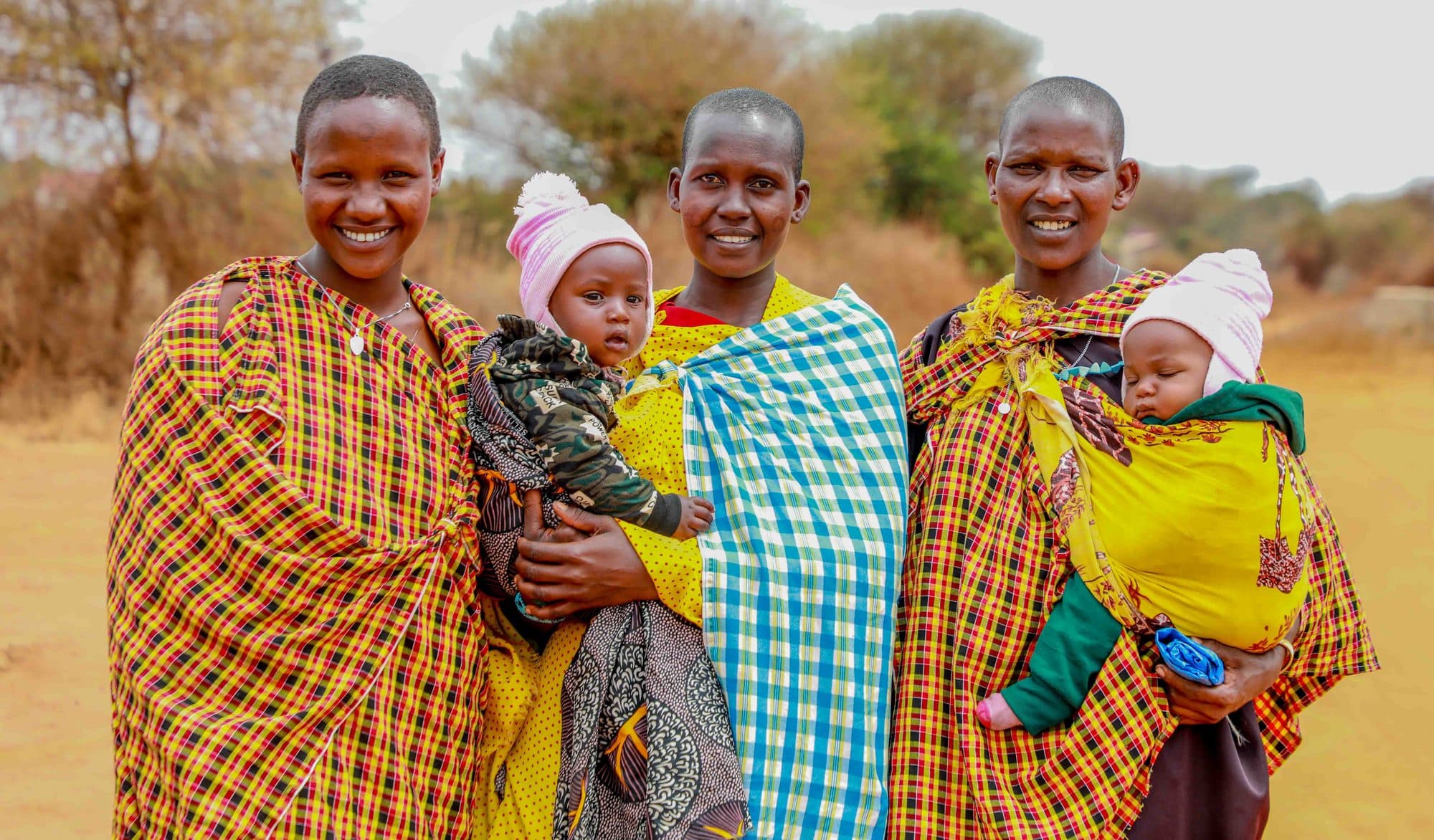
Three mothers standing together outdoors, each carrying a baby, all smiling at the camera

A promise, not a slogan

Zero Home Delivery. Zero Preventable Maternal and Newborn Deaths. Zero Unvaccinated Children. Every pillar of the Roadmap is accountable to one of these three, and the Presidential Scorecard reports against them.

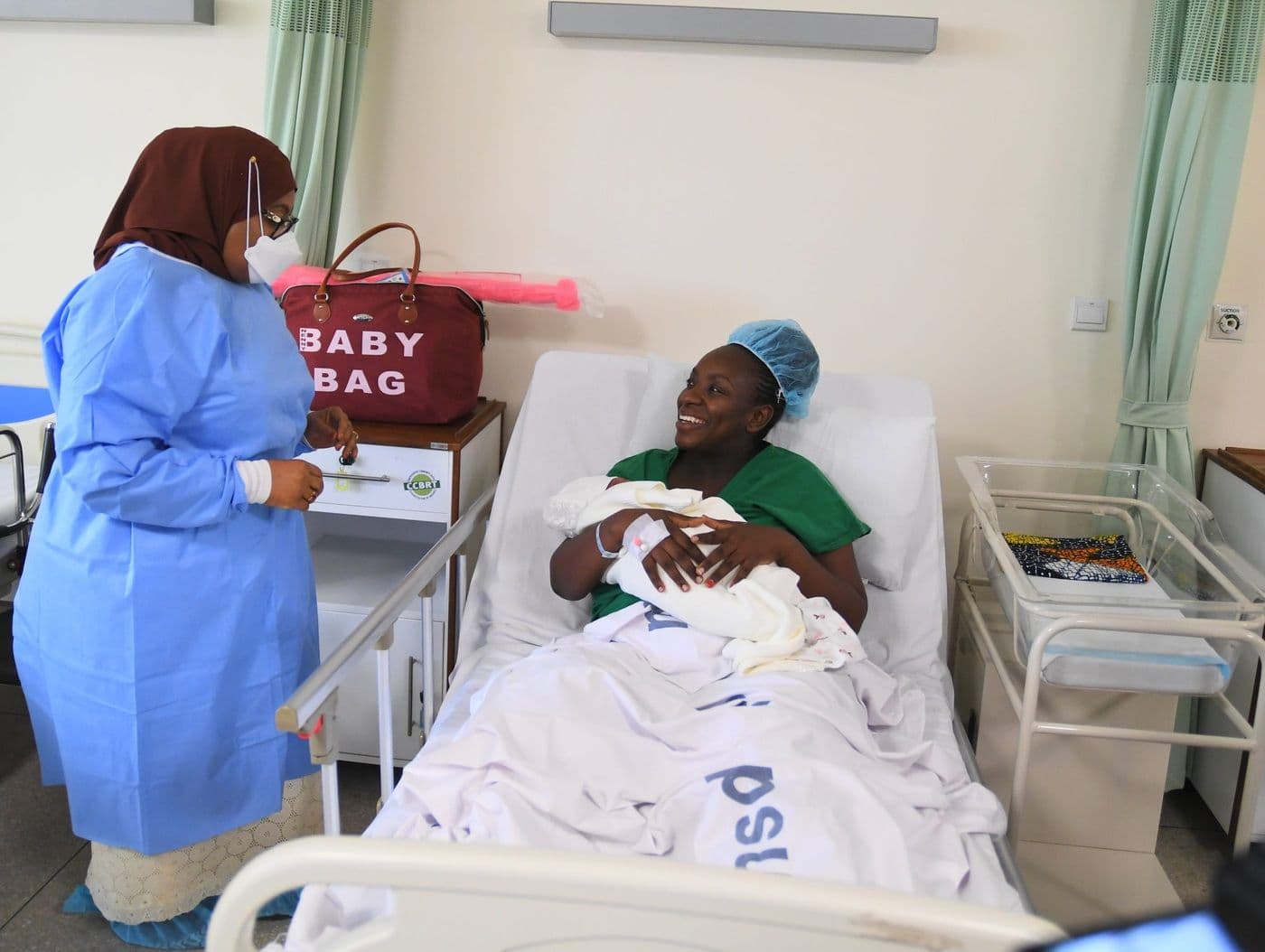
The President, in a surgical gown and mask, greeting a mother resting with her newborn in a maternity ward
Zero 01

Zero Home Delivery

Every birth, a safe birth.

Every birth is managed by skilled health personnel in a properly equipped medical environment, supported by timely access to a functional emergency referral pathway.

The political promise

Every woman should be supported to access a properly equipped medical environment and receive skilled, safe care during childbirth.

What closes the gap

  • Early pregnancy registration
  • Birth preparedness and danger-sign recognition
  • Effective transport and referral
  • Facilities ready to provide quality care
  • Functional emergency referral pathways

Measured by Births occurring in a health facility with skilled attendance

The pathway to this Zero
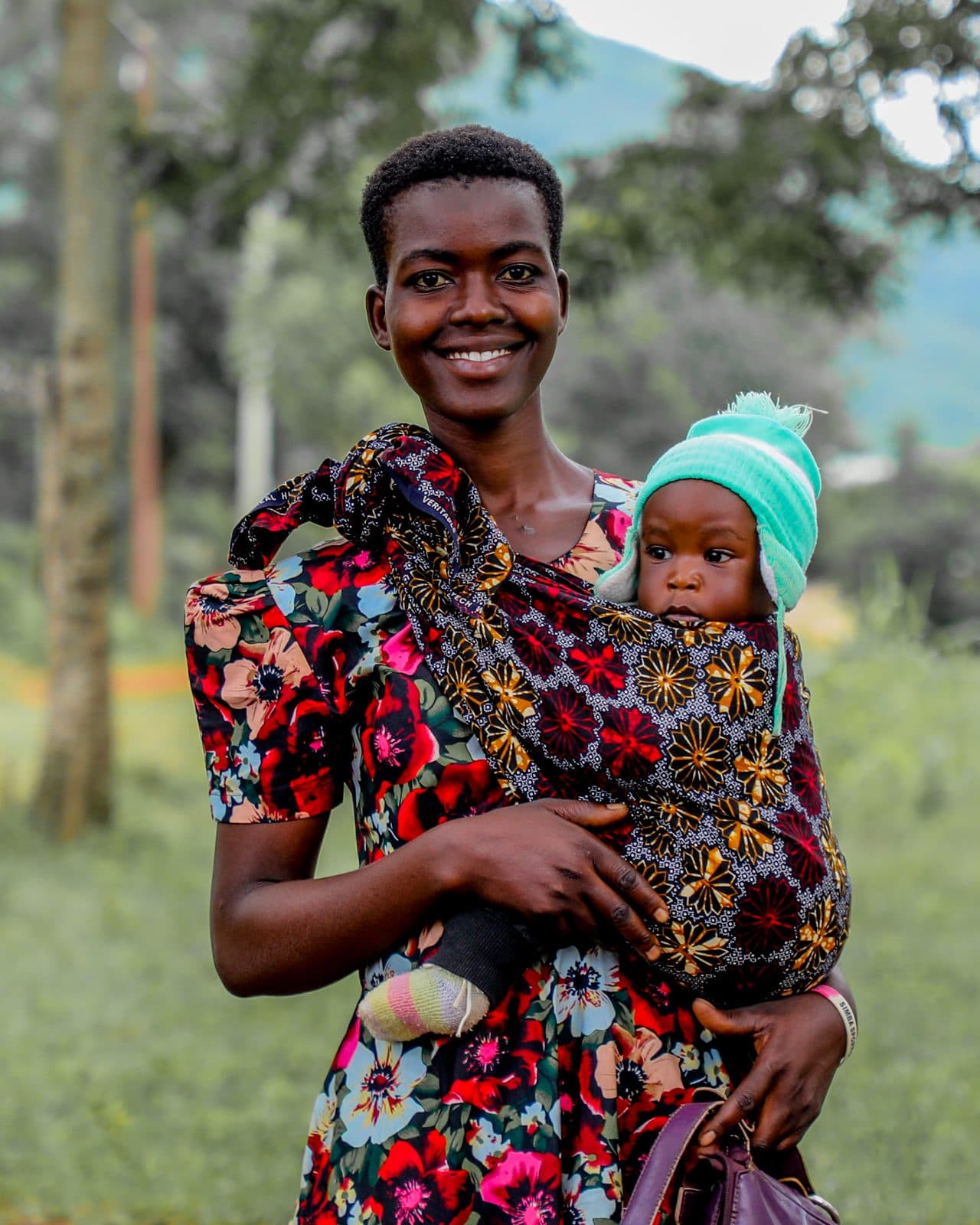
A mother smiling at the camera with her baby carried in a patterned cloth sling
Zero 02

Zero Preventable Maternal and Newborn Deaths

Every death counts. Every death is acted upon.

No mother or newborn dies from a cause preventable through timely, quality, evidence-based care. This requires effective care across the continuum, from adolescent and reproductive health through pregnancy, childbirth, emergency care and the postnatal period.

The political promise

Every preventable maternal and newborn death counts, is acted upon and is no longer accepted as inevitable.

What closes the gap

  • Care across the full continuum
  • Emergency obstetric and newborn care
  • Functioning referral and continuity of care
  • MPDSR review translated into corrective action
  • Postnatal care

Measured by Maternal Mortality Ratio · Neonatal Mortality Rate

The pathway to this Zero
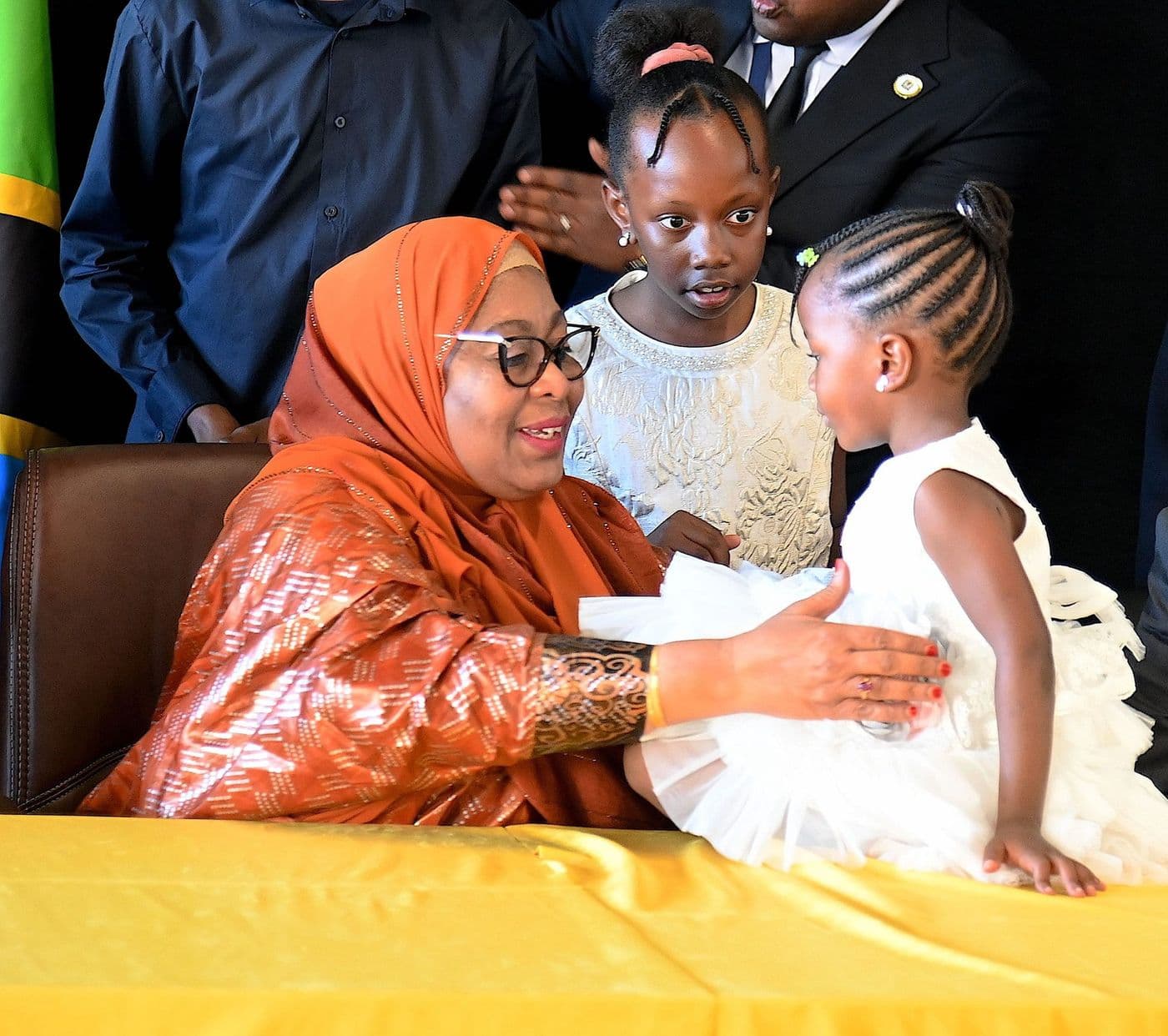
The President greeting two young girls at a public ceremony
Zero 03

Zero Unvaccinated Children

Every child identified, reached and protected.

No child is left without age-appropriate immunisation. The priority is to identify and reach zero-dose children and communities systematically missed by routine immunisation services.

The political promise

No child is left behind because of where they are born, live or the barriers they face.

What closes the gap

  • Identify and reach zero-dose children
  • DTP1 as the continental tracer
  • Timely hepatitis B birth dose
  • Systems that register and follow every child
  • Continuity of immunisation

Measured by Age-appropriate immunisation coverage and zero-dose follow-up

The pathway to this Zero

Cross-cutting

Adolescents are not a fourth Zero

The health, nutrition and wellbeing of adolescents and young people are cross-cutting across the Three Zeros, recognising that adolescent and youth-responsive health, SRH, nutrition and prevention of early and unintended pregnancy are fundamental to improving maternal, newborn and child outcomes across generations.

What they roll up to

The 2030 numbers

The Three Zeros are the political framing. These are the two outcome targets they exist to deliver, anchored in SDG 3.1 and SDG 3.2.

Track them country by country
Continental figures against the 2030 targets
IndicatorToday2030 targetSource
Maternal Mortality Ratio (MMR)SDG 3.1442 across the continentBelow 70 by 2030MMEIG, 2025
Neonatal Mortality Rate (NMR)SDG 3.27 of 55 Member States at or below the target12 or fewer by 2030UN IGME, 2025